2023-797x638.jpg "Pachypanthera piriyai")
Pachypanthera piriyai
24932493Pachypanthera (†Pachypanthera (de Bonis et al., 2023))
Order: Carnivora
Family: Felidae
Subfamily: Pantherinae
Time period: Late Miocene of Thailand
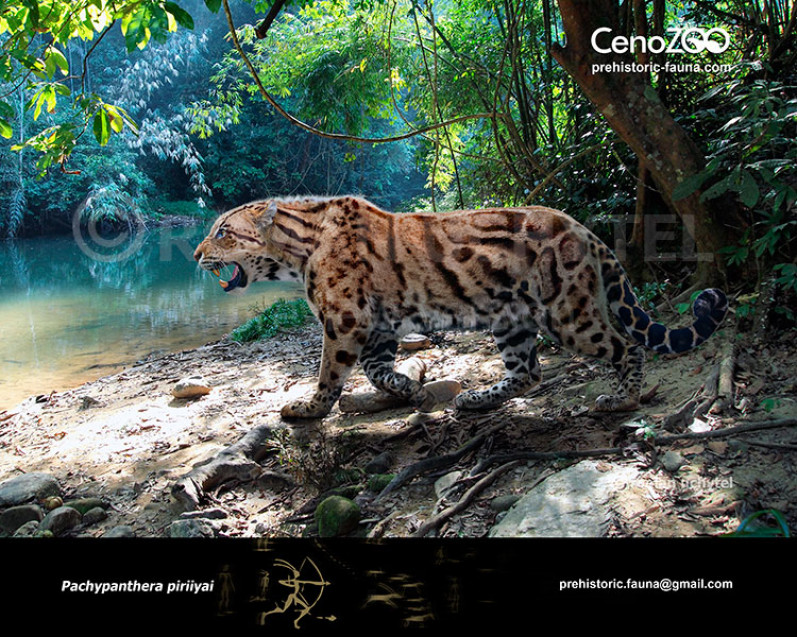
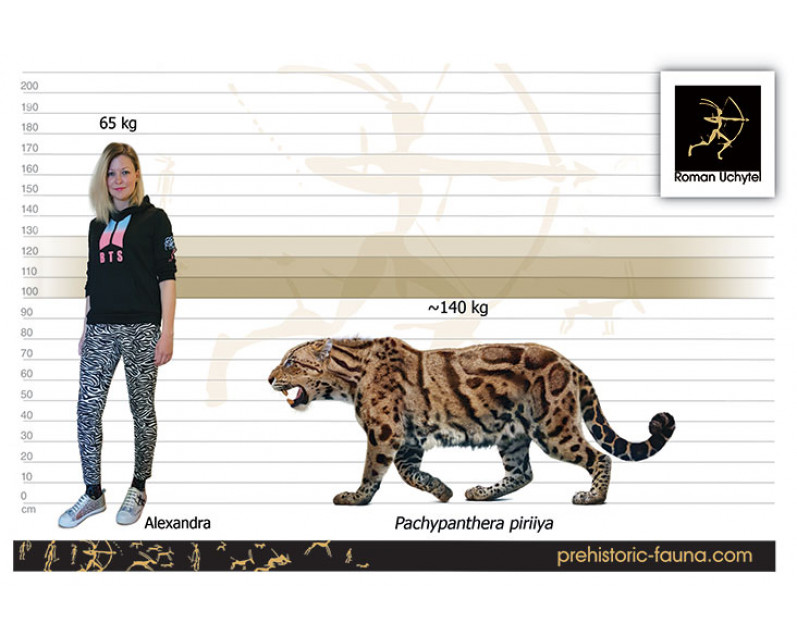
Size: 1.9 m in length, 85 cm in height, ~130-150 kg of weight.
Pachypanthera is an extinct genus of pantherine felid that was recovered from the Late Miocene-aged Khorat sand pits in northeastern Thailand. It contains a single species, Pachypanthera piriyai, named and described in 2023. In 2026, paleontologist Helmut Hemmer suggested including P. piriyai in the forgotten genus Feliopsis.
The robustness of the jaws and the teeth suggests Pachypanthera had a durophagous diet, and so it was likely adapted to process hard animal material, like shells and bones. While there are no post-cranial remains of this big cat, weight estimates extrapolated from the size of the teeth suggest the animal weighed 142 kilograms. This would make it one of the largest Miocene representatives of the Pantherinae.
The paleoenvironment of the region was dominated by a river system, and was a swampy environment mixed with closed woodlands.

2023-70x56.jpg "2")

Payment
You may use multiple payment methods to buy image such as credit cards, PayPal and bank transfer.
Pachypanthera (†Pachypanthera (de Bonis et al., 2023))
Order: Carnivora
Family: Felidae
Subfamily: Pantherinae
Time period: Late Miocene of Thailand
Size: 1.9 m in length, 85 cm in height, ~130-150 kg of weight.
Pachypanthera is an extinct genus of pantherine felid that was recovered from the Late Miocene-aged Khorat sand pits in northeastern Thailand. It contains a single species, Pachypanthera piriyai, named and described in 2023. In 2026, paleontologist Helmut Hemmer suggested including P. piriyai in the forgotten genus Feliopsis.
The robustness of the jaws and the teeth suggests Pachypanthera had a durophagous diet, and so it was likely adapted to process hard animal material, like shells and bones. While there are no post-cranial remains of this big cat, weight estimates extrapolated from the size of the teeth suggest the animal weighed 142 kilograms. This would make it one of the largest Miocene representatives of the Pantherinae.
The paleoenvironment of the region was dominated by a river system, and was a swampy environment mixed with closed woodlands.
-346x277.jpg "Panthera palaeosinensis")