Prehistoric Humans Pocket Calendar 2027-2028
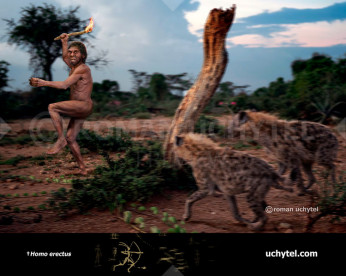
2027202820272028Did our earliest ancestors really look and move like modern chimpanzees? Not quite. Could a human species stand barely one metre tall? Did Neanderthals and Homo sapiens actually meet and interbreed?
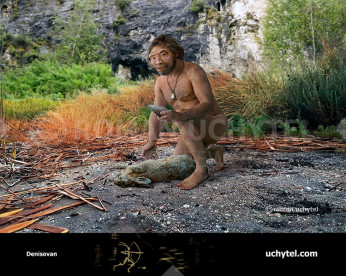
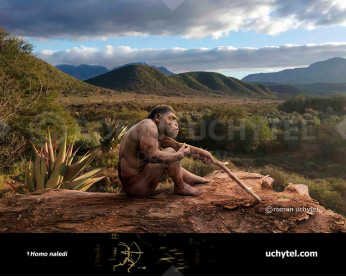
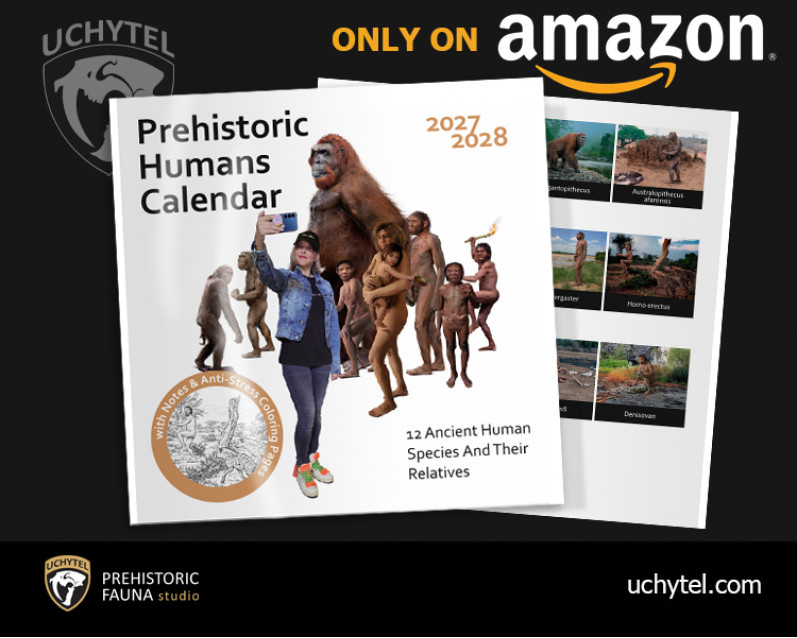
You'll discover the answers to these and many other fascinating questions in the Prehistoric Humans Pocket Calendar 2027-2028, featuring 12 unique reconstructions of ancient humans and their relatives.
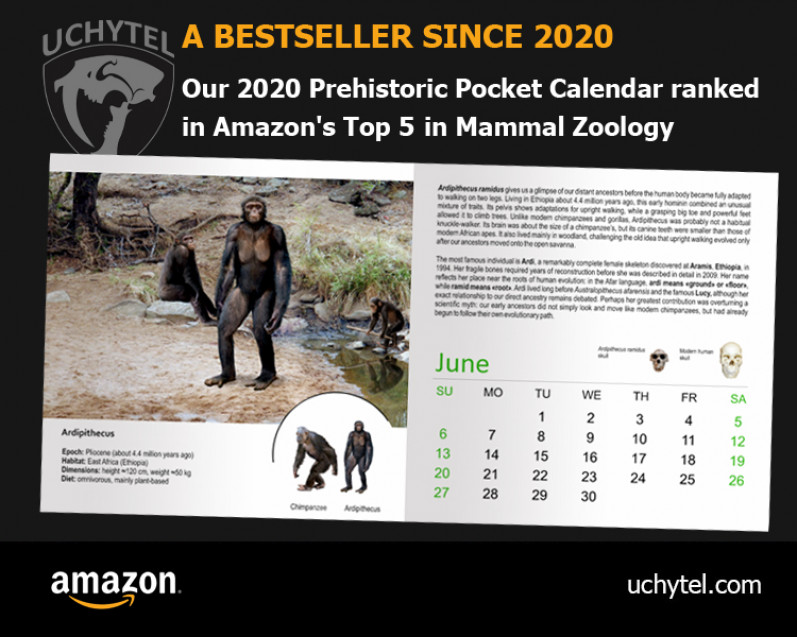
This new edition continues the popular Prehistoric Pocket Calendar series, enjoyed by families around the world since its first publication and reaching Amazon bestseller status in the Mammal Zoology category in 2020.
The new Prehistoric Humans Pocket Calendar 2027-2028 is now available on Amazon - discover it here!
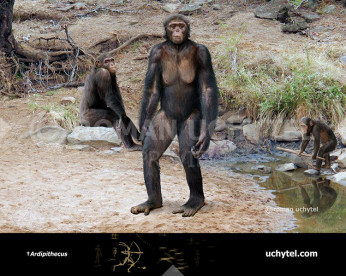
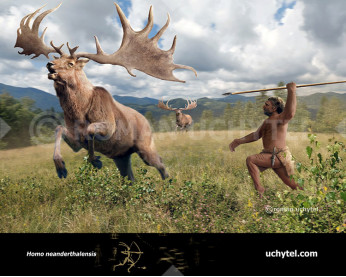
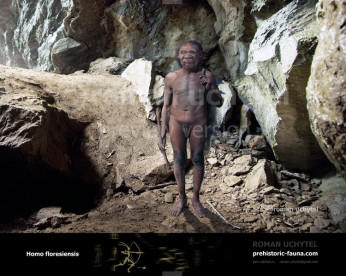
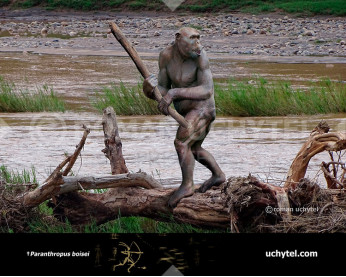
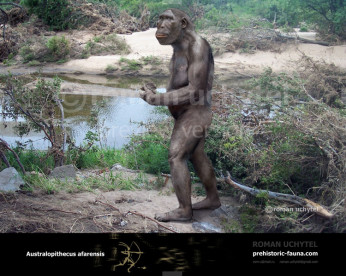
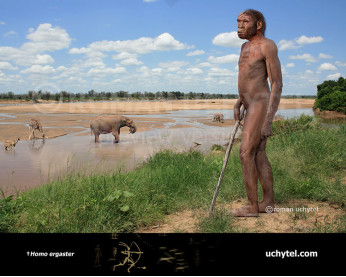
One of the highlights of the new Prehistoric Humans Pocket Calendar 2027-2028 is its series of skull comparisons with modern Homo sapiens, allowing you to see just how dramatically - and sometimes surprisingly subtly - the human skull changed over millions of years. From Ardipithecus and Australopithecus to Homo erectus, Neanderthals, Flores Man and other remarkable members of our extended evolutionary family, each reconstruction offers a glimpse into a different chapter of human history.
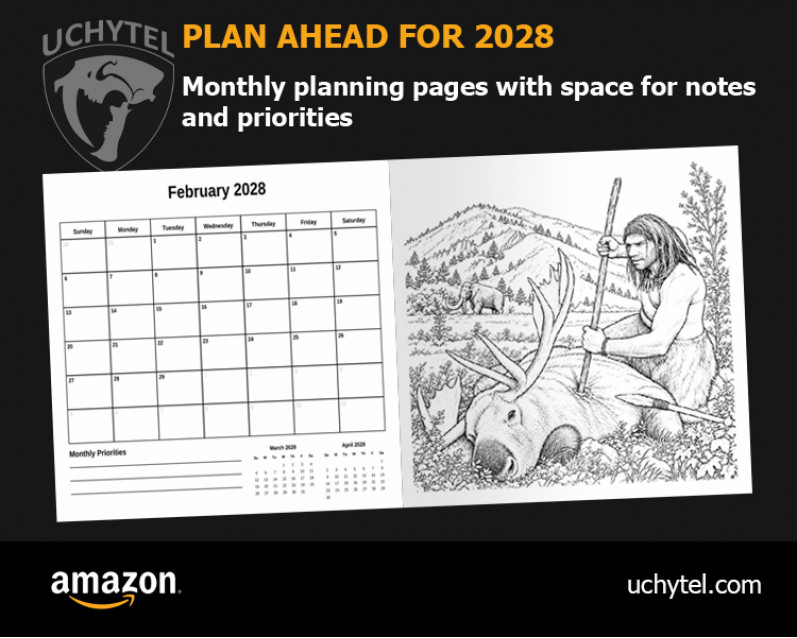
The calendar is designed to be enjoyed for two years. Alongside the illustrated 2027 monthly calendar, you'll find space for notes and planning, while 2028 features full monthly planner pages, allowing you to keep organizing your life and recording important moments long after the first year is over.
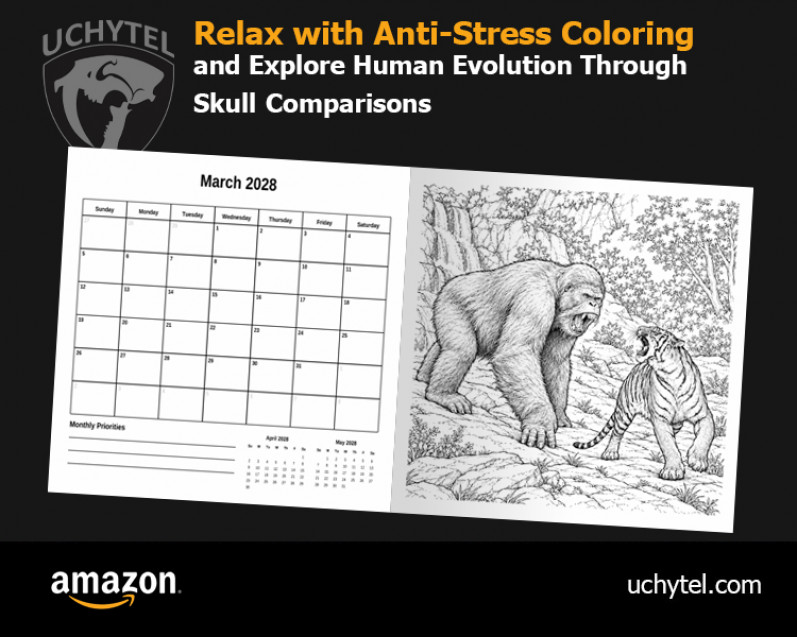
As a special bonus, the calendar also includes relaxing anti-stress coloring pages, inspired by the fascinating world of prehistoric humans and their relatives.
Welcome to the story of human evolution - a journey that was never a straight line, but a tangled history of ancient species, unexpected relatives, migrations, adaptations and branches that eventually disappeared.
Did our earliest ancestors really look and move like modern chimpanzees? Not quite. Could a human species stand barely one metre tall? Did Neanderthals and Homo sapiens actually meet and interbreed?
You'll discover the answers to these and many other fascinating questions in the Prehistoric Humans Pocket Calendar 2027-2028, featuring 12 unique reconstructions of ancient humans and their relatives.
This new edition continues the popular Prehistoric Pocket Calendar series, enjoyed by families around the world since its first publication and reaching Amazon bestseller status in the Mammal Zoology category in 2020.
The new Prehistoric Humans Pocket Calendar 2027-2028 is now available on Amazon - discover it here!
One of the highlights of the new Prehistoric Humans Pocket Calendar 2027-2028 is its series of skull comparisons with modern Homo sapiens, allowing you to see just how dramatically - and sometimes surprisingly subtly - the human skull changed over millions of years. From Ardipithecus and Australopithecus to Homo erectus, Neanderthals, Flores Man and other remarkable members of our extended evolutionary family, each reconstruction offers a glimpse into a different chapter of human history.
The calendar is designed to be enjoyed for two years. Alongside the illustrated 2027 monthly calendar, you'll find space for notes and planning, while 2028 features full monthly planner pages, allowing you to keep organizing your life and recording important moments long after the first year is over.
As a special bonus, the calendar also includes relaxing anti-stress coloring pages, inspired by the fascinating world of prehistoric humans and their relatives.
Welcome to the story of human evolution - a journey that was never a straight line, but a tangled history of ancient species, unexpected relatives, migrations, adaptations and branches that eventually disappeared.
-346x277.jpg "Gigantopithecus blacki (Гігантопітек Блека)")